On a visibly cold day on 6 January 2021, two months after former President Donald Trump lost the 2020 presidential election, over 2,000 people stormed the Capitol Building in Washington D.C.
Members of a right-wing militia group, affectionally calling themselves the Proud Boy movement, are seen heading towards the Capitol. One of the members of the (largely male) disaffected group speaks to a news correspondent and is heard saying:
“We’re taking our country back.”
Over the course of the day, chaos ensued, and many people were injured. There were a number of deaths over the coming months attributed to what Alexandria Ocasio-Cortez called a "terror act".
This highlights the power of giving even a perceived notion of ownership.
Trump, knowingly or not (I would imagine not), hacked in to the strength of the Endowment Effect to make his supporters feel a sense of psychological ownership of the country in which they live. So much so that storming a federal building and reeking havoc seemed like a good idea.
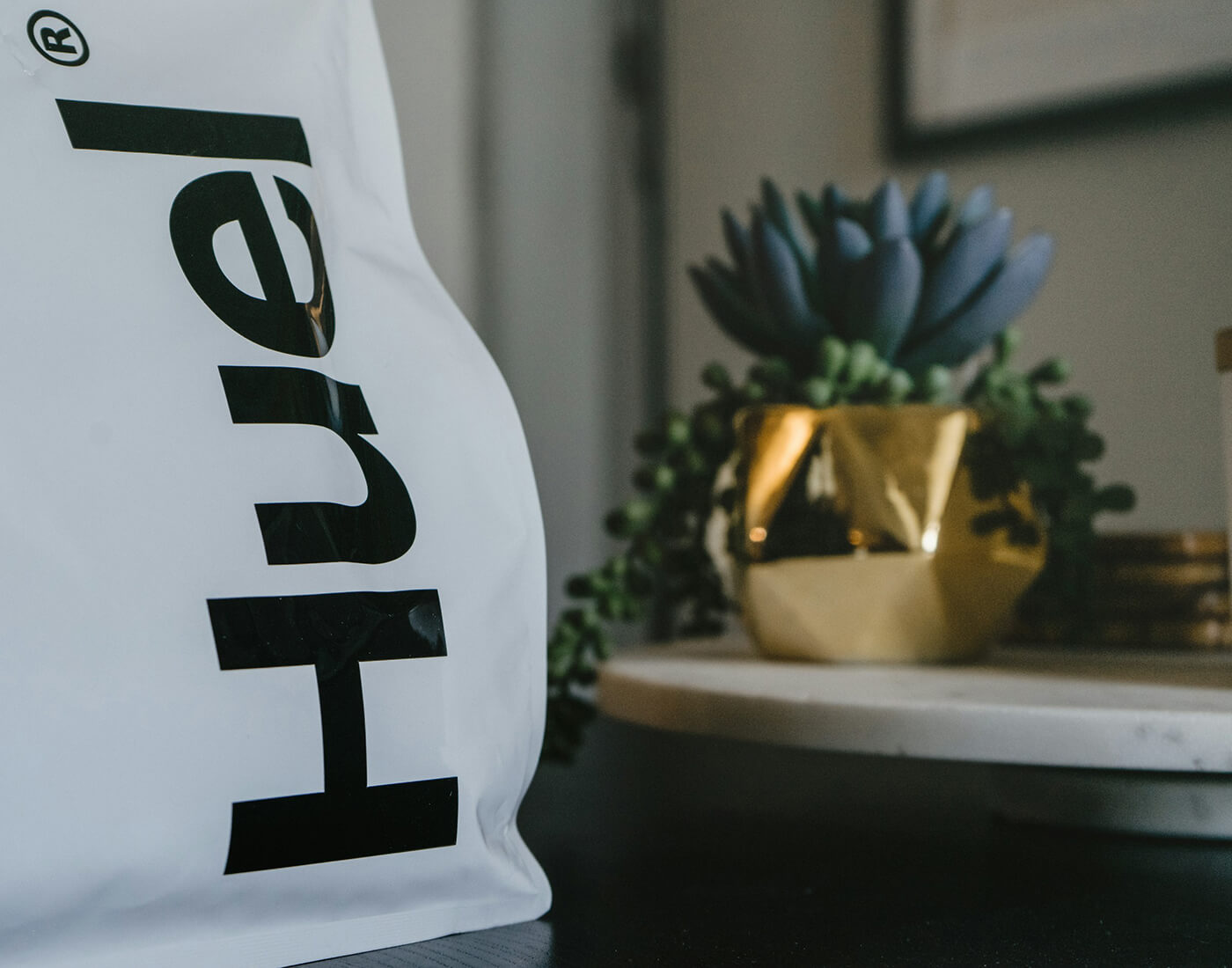
Brands can and do tap into this powerful effect too. And Huel are a brilliant example of this. In particular giving their customers – self-proclaimed 'Hueligans' – free branded bottles to mix and take their protein shakes on the road.
It's something I've experienced myself as a sometime Huel buyer. That feeling of mixing my own protein shakes at home, adding frozen fruit and a drop of honey, and taking the self-made concoction to my gym ready to drink after a workout.
Giving people a sense of psychological ownership increases the value they attribute, their enjoyment of it, and the likelihood they'll buy again.


Creating a distinctive health-first snack brand people actually remember for Düng.
View case study
From tech companies worth €2.1billion, to challenger brands taking on the giants of the oat milk world.




Branding, content, and performance marketing for challenger and B2B brands like yours.
Copyright © We Are Yellow Ltd | All Rights Reserved | Privacy Policy